The Physical Platform
of American Cricket
Breybourne Venues is the physical platform of the Home of American Cricket™. It begins with the flagship in Oswego, but it is designed as something much larger: a national venue model built around permanent grounds, spectator-ready stadiums, academy environments, institutional access, and regional infrastructure growth.
The venue strategy follows the broader national structure. Across 32 regions, one anchor city in each division is intended to carry a higher-capacity spectator stadium, while the remaining regions within that division develop lower-capacity spectator venues that create a connected network of 32 properties across the country.
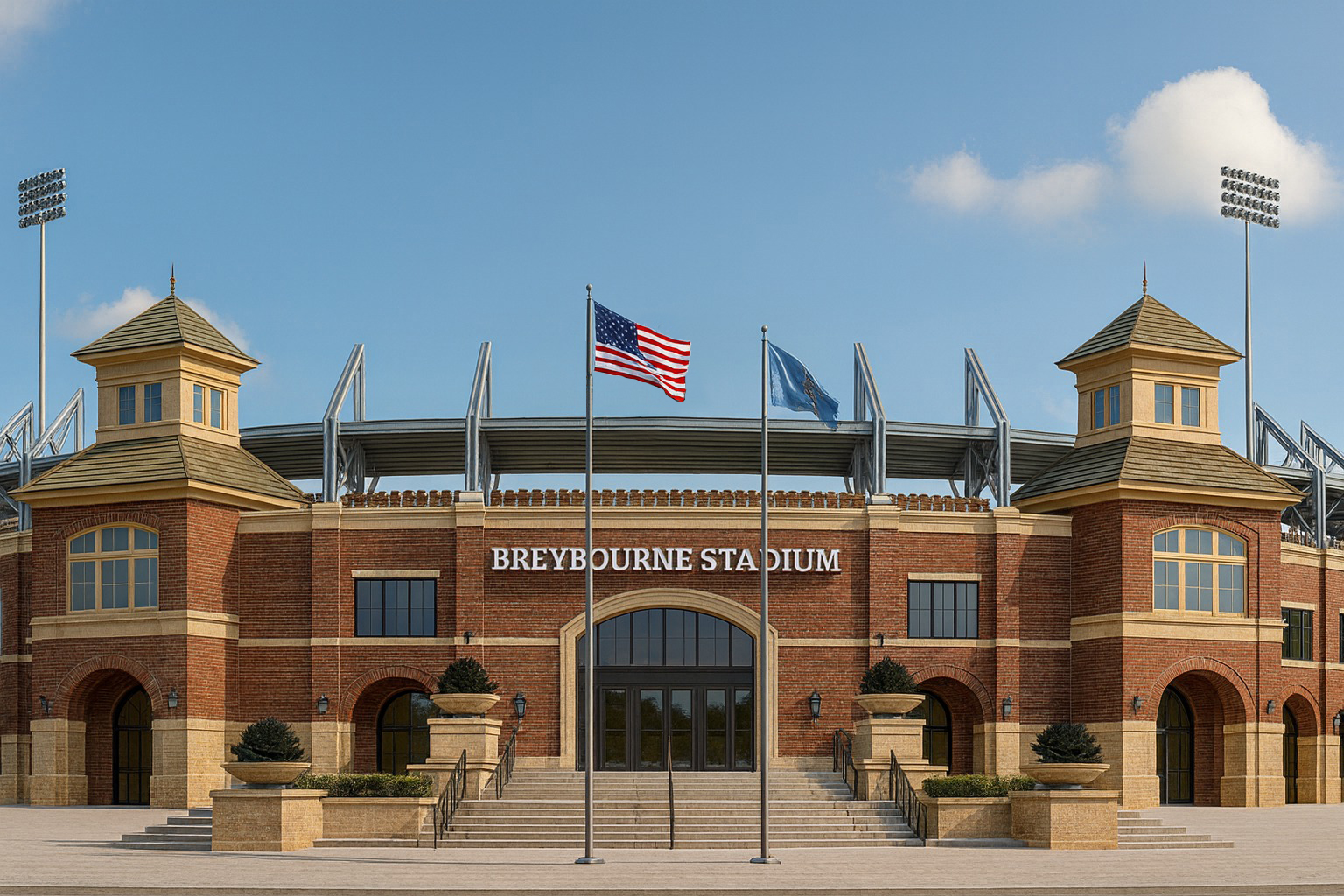
Breybourne Stadium
The flagship proof point that gives the platform a visible national center of gravity.
The first permanent proof point
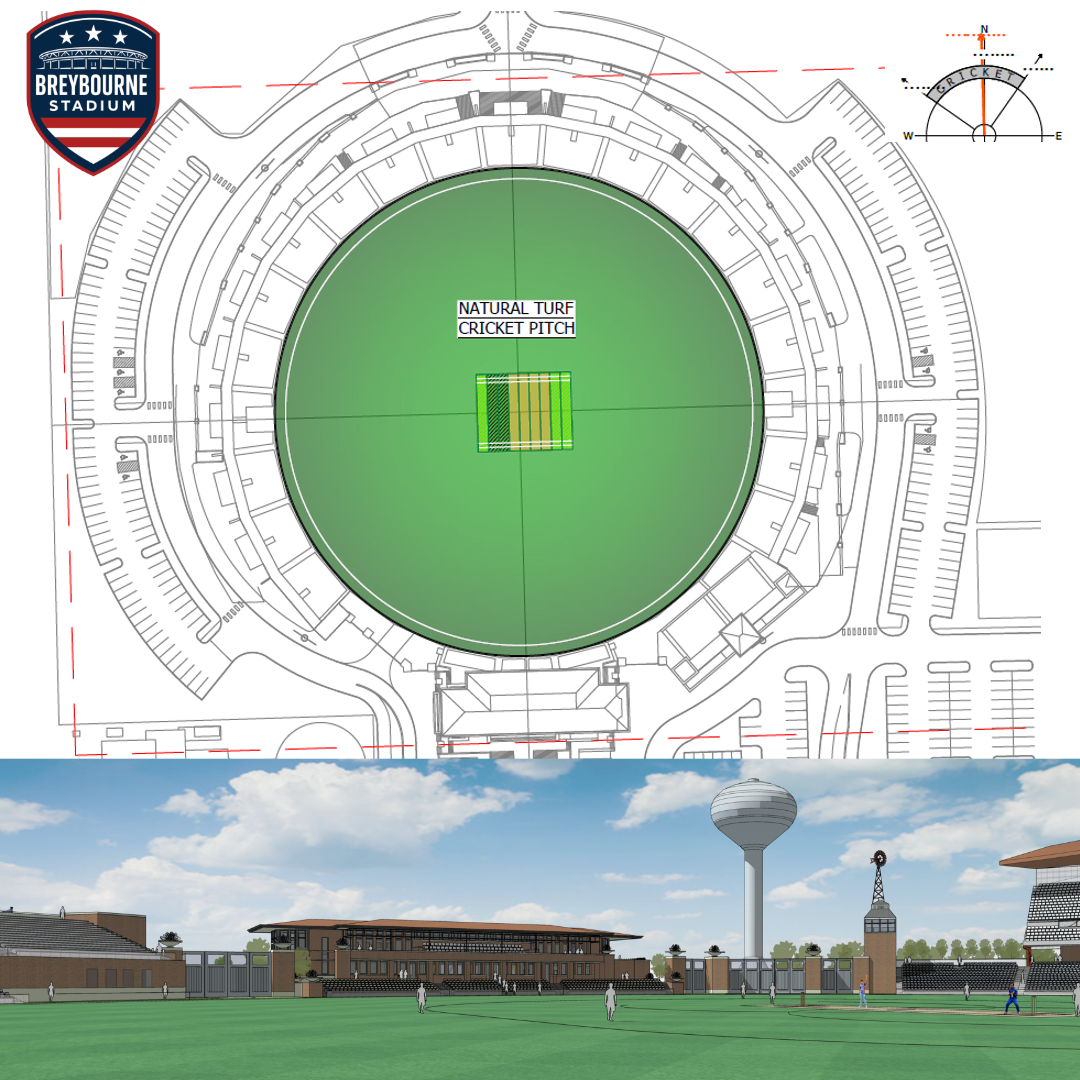
Breybourne Stadium is the flagship of the Breybourne venue platform. It is the first permanent ground through which the Home of American Cricket™ takes visible, durable form in the United States.
Its role is larger than matchday alone. It establishes the standard for venue identity, spectator presentation, hospitality, institutional credibility, and long-term infrastructure ambition across the broader network.
A Network of 32 Properties
One flagship, eight divisional anchor cities, and a broader regional property system across the national map.
From flagship to national footprint
The Breybourne venue strategy is built as a national property system, not a single-site identity. The goal is to create one connected physical platform in which each region carries a venue role inside the broader structure.
How the network is organized
- 32 regions across the broader Home of American Cricket™ structure
- 8 divisions with 4 regions in each division
- 1 anchor city in each division positioned for a larger spectator venue
- 3 supporting regions in each division with lower-capacity spectator venues
- 1 connected venue logic aligned with league, club, and development growth
One Anchor City Per Division
A higher-capacity stadium anchor in each division gives the platform premium event gravity and a clearer territorial center.
High-capacity spectator stadium
One city in each division is intended to serve as the anchor city for major divisional fixtures, premium match presentation, and the higher-capacity spectator standard of that division.
National League-ready market logic
The anchor city concept aligns with the broader top-tier platform by identifying the market best positioned to support premium matchday experience, visibility, and long-term audience growth.
A visible center of gravity
Anchor venues give each division a clear physical focal point without weakening the broader regional structure beneath it.
The Three Supporting Regional Venues
Every division also needs depth: repeatable hosting capacity, local access, and broader physical presence across all four markets.
Lower-capacity spectator venues
The other three regions within each division are intended to build lower-capacity spectator venues that remain match-ready, supporter-facing, and professionally aligned with the wider system.
Broader hosting capability
These venues help create regional rhythm: local fixtures, development matches, academy programming, community events, and repeatable competition staging across the division.
One division. Four properties.
Together, one anchor city and three supporting regions create a coherent property ladder that balances scale, practicality, and long-term physical coverage.
Breybourne Helps Shape the Buildout
Venue growth is not just a map. It is an infrastructure pathway supported by common standards, strategic guidance, and platform alignment.
A property network, not isolated projects
The Breybourne venue approach is designed to help regions think beyond one-off facilities. Each site should reinforce the integrity of the broader platform through clear role definition, spectator logic, and long-term usability.
Support across the region
Breybourne can help support regional infrastructure thinking around facility type, event readiness, matchday flow, standards alignment, development usage, and how each property fits inside the larger national system.
Grounds, Training, and Institutional Access
The venue platform includes more than spectator stadiums. It also includes the day-to-day environments where the game actually grows.
Where the game grows day to day
Community grounds, training centers, school-linked facilities, and higher education partnerships are essential to making the game visible, accessible, and repeatable across local markets.
These environments support youth participation, academy progression, player development, institutional adoption, and the everyday rhythm of the game beyond marquee events.
One Standards-Led Venue System
A national venue platform is only credible if every property is guided by a common standard of design, safety, operations, and supporter experience.
Design
Each property should reflect its own market while still clearly belonging to one Breybourne venue identity and infrastructure logic.
Safety
Every site should support reliable athlete, official, supporter, and community safety from construction through full matchday use.
Operations
Infrastructure must support repeatable hosting, clear circulation, practical setup, and long-term functionality across multiple event types.
Experience
Every venue should strengthen belonging, hospitality, and the sense that the game has a real and credible home in that market.
Why This Venue Structure Matters
Leagues create competition. Clubs create belonging. Venues make both visible.
It makes the platform visible
A national structure becomes more credible when it is tied to real grounds, real stadiums, and real places of belonging.
It supports the full pathway
The venue model supports flagship events, regional competition, academy growth, school and university access, and community participation.
It builds long-term permanence
A credible venue network helps move American Cricket from temporary activity toward lasting infrastructure and national presence.
One Flagship. Eight Anchor Cities. Thirty-Two Properties.
Explore how venue strategy aligns with club identity, league structure, regional growth, and the physical future of the platform.
Breybourne Venues is the physical layer of the Home of American Cricket™. It connects the flagship in Oswego to a wider national venue network designed to support competition, development, hospitality, and long-term civic presence across the country.